
The Extra Mile
How do you stand out when everyone has AI? Focus disproportionately on a few elements.
4 principles to design everything
The world is a draft. Design everything. Build your tools and craft. Let joy in all sing.
You become your city
Choosing where you live is the most important decision of your life.
Design is intentioning
If designing had a synonym, it would be "intentioning".
Hackathons and AI - a new paradigm
AI hackathons field guide to build impressive demos faster, alongside the most talented people of your city
Books I recently read and recommend
Selection of books I recently read and recommend
From sketch to product using AI
Using ChatGPT to draft product ideas in minutes
Tiny product challenge with Ran Segall
The ups and downs of working with other creatives
Glue entrepreneurs
How great products can now be built by composing APIs
15 habits to be organized as a designer
Sharing apps to organize my tasks, time and thoughts.
Creative tempo (Part 2): Diverging, Testing, Converging
Exploring new ideas at a controlled beat
Creative tempo (Part 1): Setting the rhythm
Creating more to be more successful
A theory of what makes something interesting
What makes an idea interesting?
ABC framework: How to give better feedback
A better framework to give feedback and improve creative work
Moodboards as a creative escape
A tale of same energy, covid toes and rabbit holes
Tiny products
Tiny products 1. take two weeks to build, 2. generate income and 3. require zero ongoing maintenance.
The Monthly Investor Update
Applying the transparency and rigor of public companies to freelance businesses.
4 principles to design everything
Everything around me is moving. AI, my role, my city, my industry. I felt the urge to find calm... principles to go back to, for the decades of my career ahead. This is what I landed on, 4 ideas actually. It's personal, but maybe useful to you too.
I. The world is a draft.
Look around. The city we walk through, the software we use, the meetings we attend: almost none of it was designed. It was inherited, defaulted into, copied from something that was copied from something else. It works. But it could be incredible.
If the world is a draft, everything is open for revision. Nothing is sacred except the commitment to make it better. I must commit to see the draft for what it is, and refuse to leave it there. Then, I must endlessly tend my inner fire to...
II. Design everything.
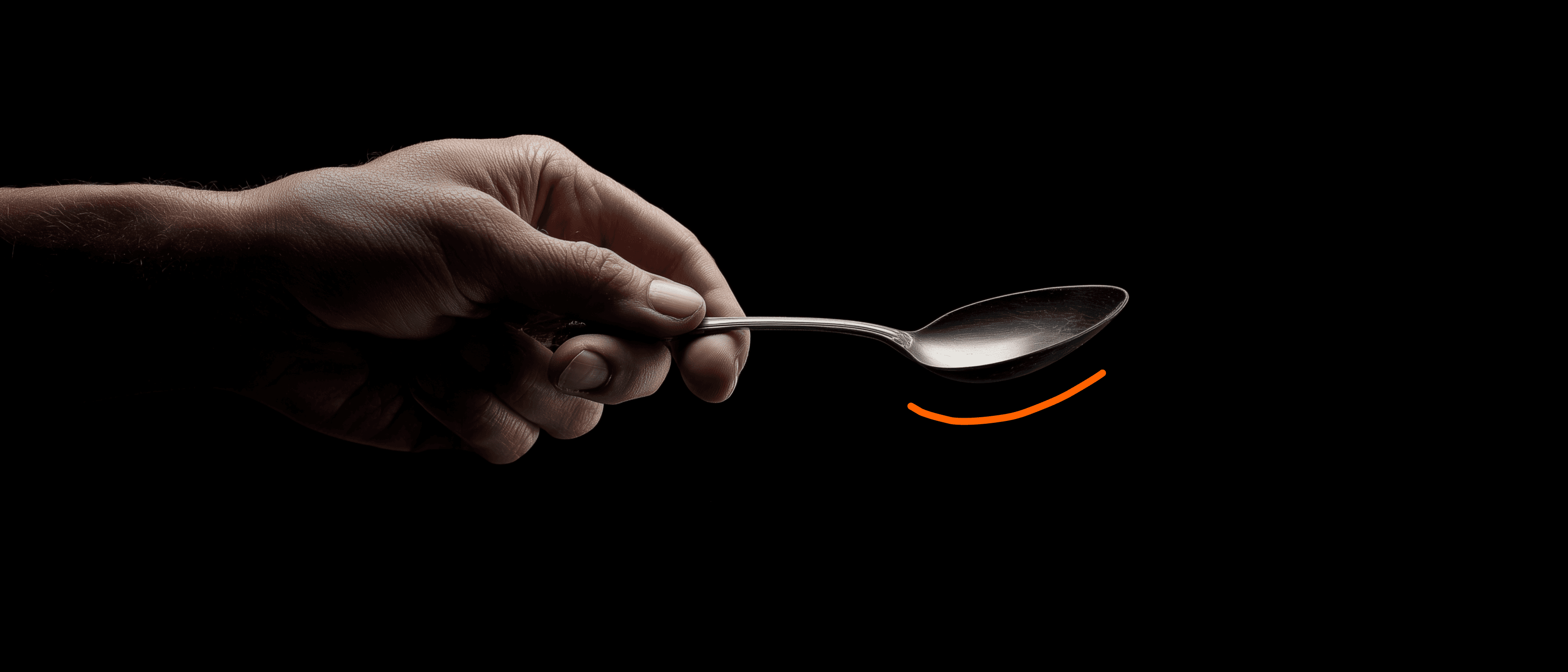
Not just screens. Everything. The organization. The book. The city. The spoon. The way the tool feels in the hand. Design is not a profession, it is how we apply intentionality to any surface. And no surface is too small or too large to deserve it.
This is Total Design: the refusal to accept that some things are "not a design problem." Everything is a design problem. Everything is an opportunity for intention, compression, elegance. The ambition is enormous. I must continuously learn from Gropius, Disney, Fuller and Rams - all designers that tried to design everything - to become a true total designer. Which raises the question: how to make my crazy dream possible?
III. Build your tools and craft.
The tool shapes the practice. The practice shapes the mindset. Whoever builds the tool builds the culture.
We are at the beginning of AI, not the end. The machines we build now will define how a generation thinks, creates, and decides what matters. Designing those tools (their defaults, their constraints, their feel) is the highest-leverage design work alive. With AI, everyone is becoming a designer. The question is what tools we all deserve.
Craft is what earns the right to build them. Mastery of craft is an infinite pursuit, and it is a beautiful and admirable one. There's constantly more techniques I can learn! Mastery of craft brings elegance. Elegance is the point where the solution becomes inevitable. Nothing to add, nothing to remove, and the structure generates more than it contains. Across disciplines, across centuries, across cultures: elegance is obvious. And you know you've reached elegance because it brings a unique feeling.
IV. Let joy in all sing.
Elegance brings joy. Joy is the signal that the design is right, the compression holds, and the expansion is about to begin.
What I've found is that joy is not just evidence, it resonates. Others feel it and hear it: in the product, in the experience, in the space. Good design brings joy! Let it sing.
The world is a draft.
Design everything.
Build your tools and craft.
Let joy in all sing.
Let's keep in touch:
The Extra Mile
How do you stand out when everyone has AI? Focus disproportionately on a few elements.
4 principles to design everything
The world is a draft. Design everything. Build your tools and craft. Let joy in all sing.
You become your city
Choosing where you live is the most important decision of your life.
Design is intentioning
If designing had a synonym, it would be "intentioning".
Hackathons and AI - a new paradigm
AI hackathons field guide to build impressive demos faster, alongside the most talented people of your city
Books I recently read and recommend
Selection of books I recently read and recommend
From sketch to product using AI
Using ChatGPT to draft product ideas in minutes
Tiny product challenge with Ran Segall
The ups and downs of working with other creatives
Glue entrepreneurs
How great products can now be built by composing APIs
15 habits to be organized as a designer
Sharing apps to organize my tasks, time and thoughts.
Creative tempo (Part 2): Diverging, Testing, Converging
Exploring new ideas at a controlled beat
Creative tempo (Part 1): Setting the rhythm
Creating more to be more successful
A theory of what makes something interesting
What makes an idea interesting?
ABC framework: How to give better feedback
A better framework to give feedback and improve creative work
Moodboards as a creative escape
A tale of same energy, covid toes and rabbit holes
Tiny products
Tiny products 1. take two weeks to build, 2. generate income and 3. require zero ongoing maintenance.
The Monthly Investor Update
Applying the transparency and rigor of public companies to freelance businesses.
Everything around me is moving. AI, my role, my city, my industry. I felt the urge to find calm... principles to go back to, for the decades of my career ahead. This is what I landed on, 4 ideas actually. It's personal, but maybe useful to you too.
I. The world is a draft.
Look around. The city we walk through, the software we use, the meetings we attend: almost none of it was designed. It was inherited, defaulted into, copied from something that was copied from something else. It works. But it could be incredible.
If the world is a draft, everything is open for revision. Nothing is sacred except the commitment to make it better. I must commit to see the draft for what it is, and refuse to leave it there. Then, I must endlessly tend my inner fire to...
II. Design everything.
Not just screens. Everything. The organization. The book. The city. The spoon. The way the tool feels in the hand. Design is not a profession, it is how we apply intentionality to any surface. And no surface is too small or too large to deserve it.
This is Total Design: the refusal to accept that some things are "not a design problem." Everything is a design problem. Everything is an opportunity for intention, compression, elegance. The ambition is enormous. I must continuously learn from Gropius, Disney, Fuller and Rams - all designers that tried to design everything - to become a true total designer. Which raises the question: how to make my crazy dream possible?
III. Build your tools and craft.
The tool shapes the practice. The practice shapes the mindset. Whoever builds the tool builds the culture.
We are at the beginning of AI, not the end. The machines we build now will define how a generation thinks, creates, and decides what matters. Designing those tools (their defaults, their constraints, their feel) is the highest-leverage design work alive. With AI, everyone is becoming a designer. The question is what tools we all deserve.
Craft is what earns the right to build them. Mastery of craft is an infinite pursuit, and it is a beautiful and admirable one. There's constantly more techniques I can learn! Mastery of craft brings elegance. Elegance is the point where the solution becomes inevitable. Nothing to add, nothing to remove, and the structure generates more than it contains. Across disciplines, across centuries, across cultures: elegance is obvious. And you know you've reached elegance because it brings a unique feeling.
IV. Let joy in all sing.
Elegance brings joy. Joy is the signal that the design is right, the compression holds, and the expansion is about to begin.
What I've found is that joy is not just evidence, it resonates. Others feel it and hear it: in the product, in the experience, in the space. Good design brings joy! Let it sing.
The world is a draft.
Design everything.
Build your tools and craft.
Let joy in all sing.
Let's keep in touch: